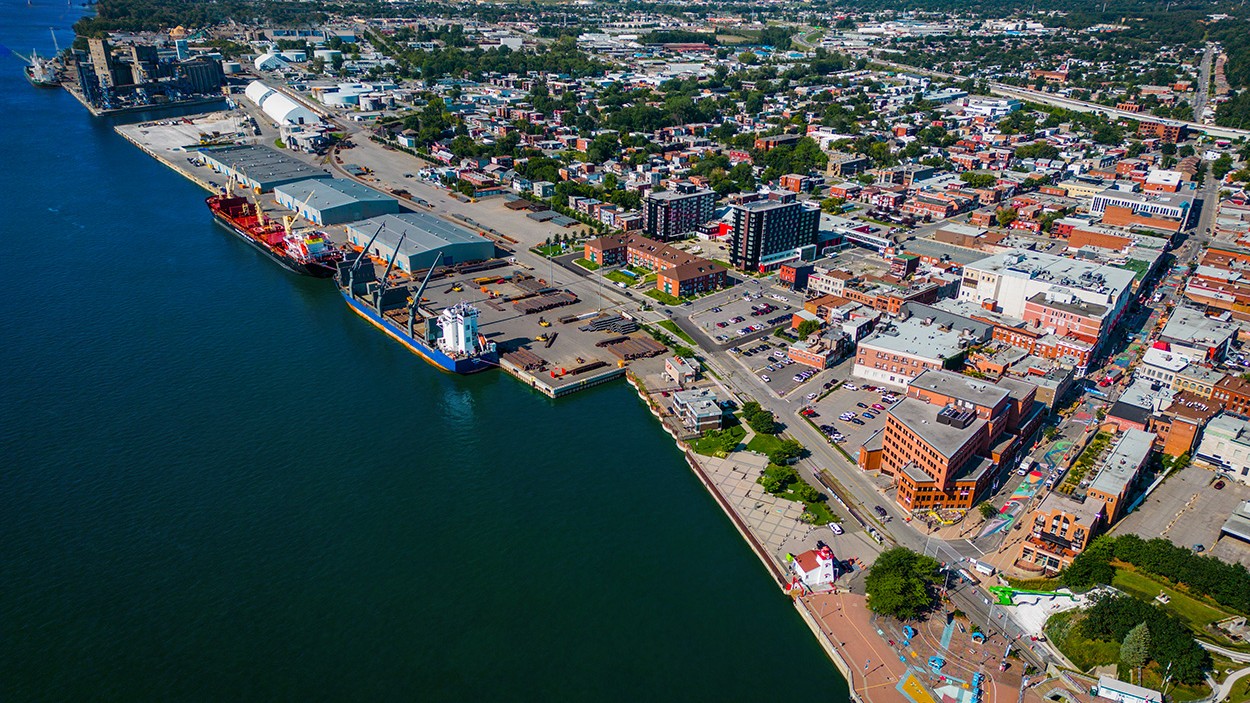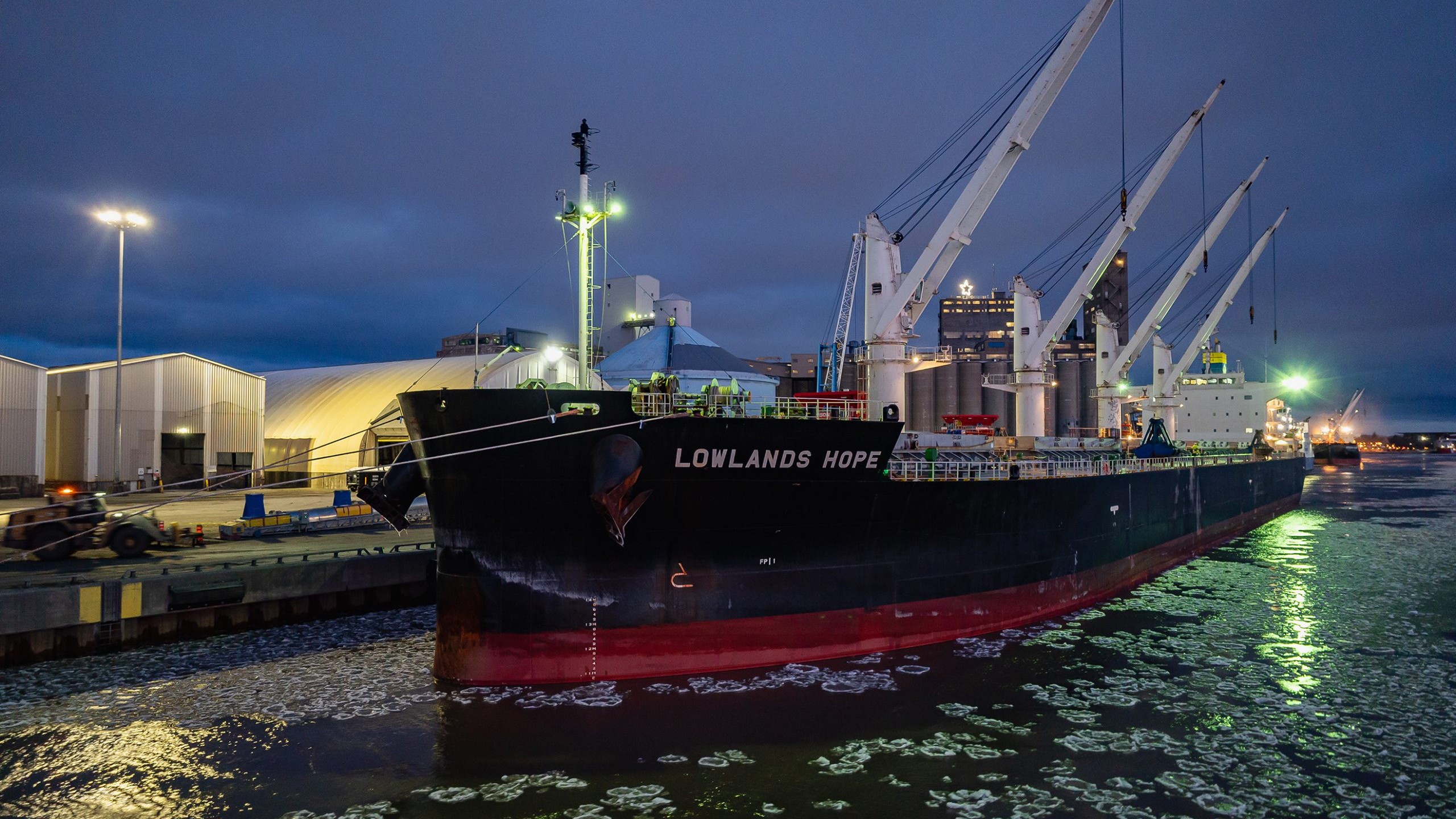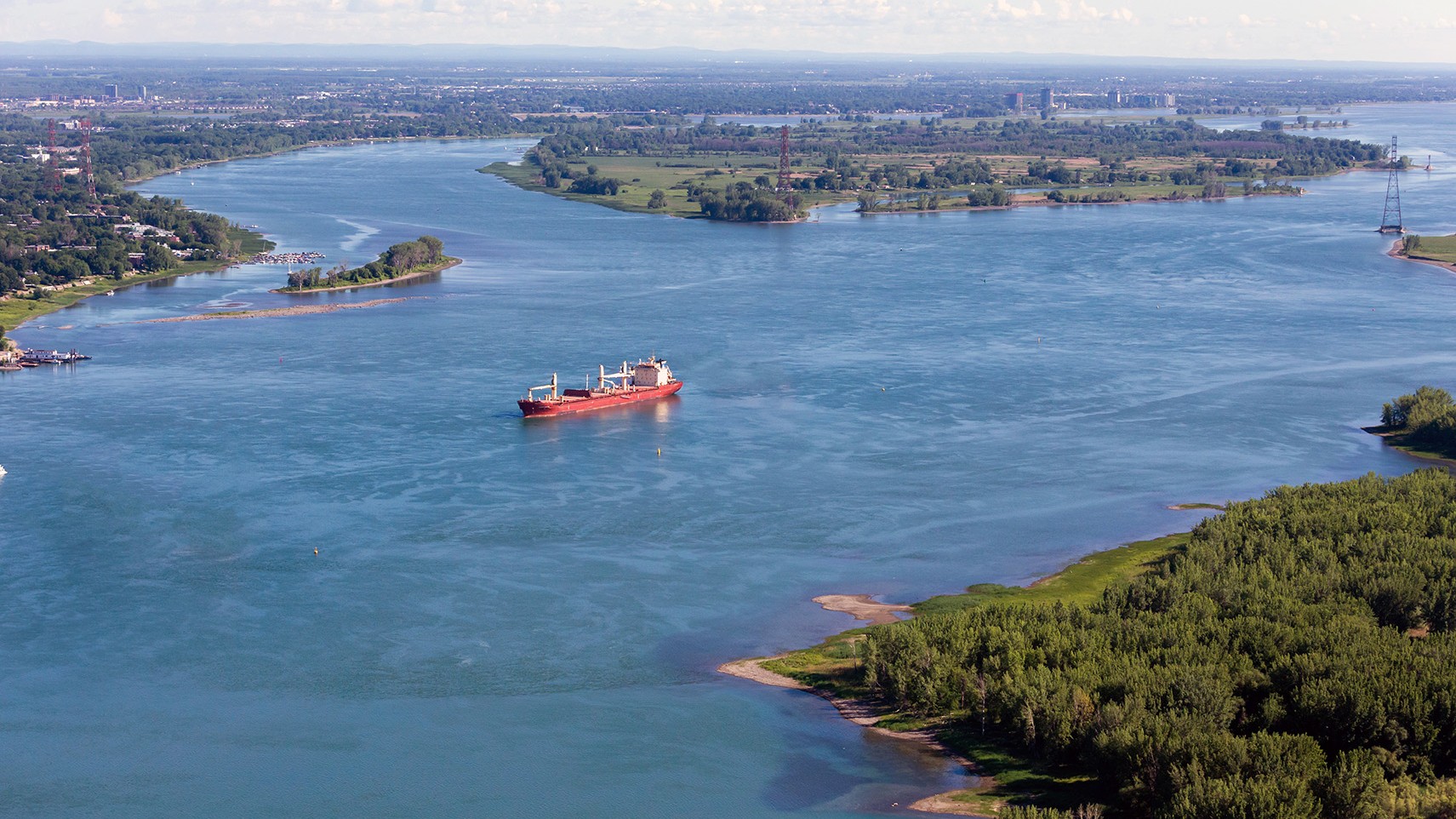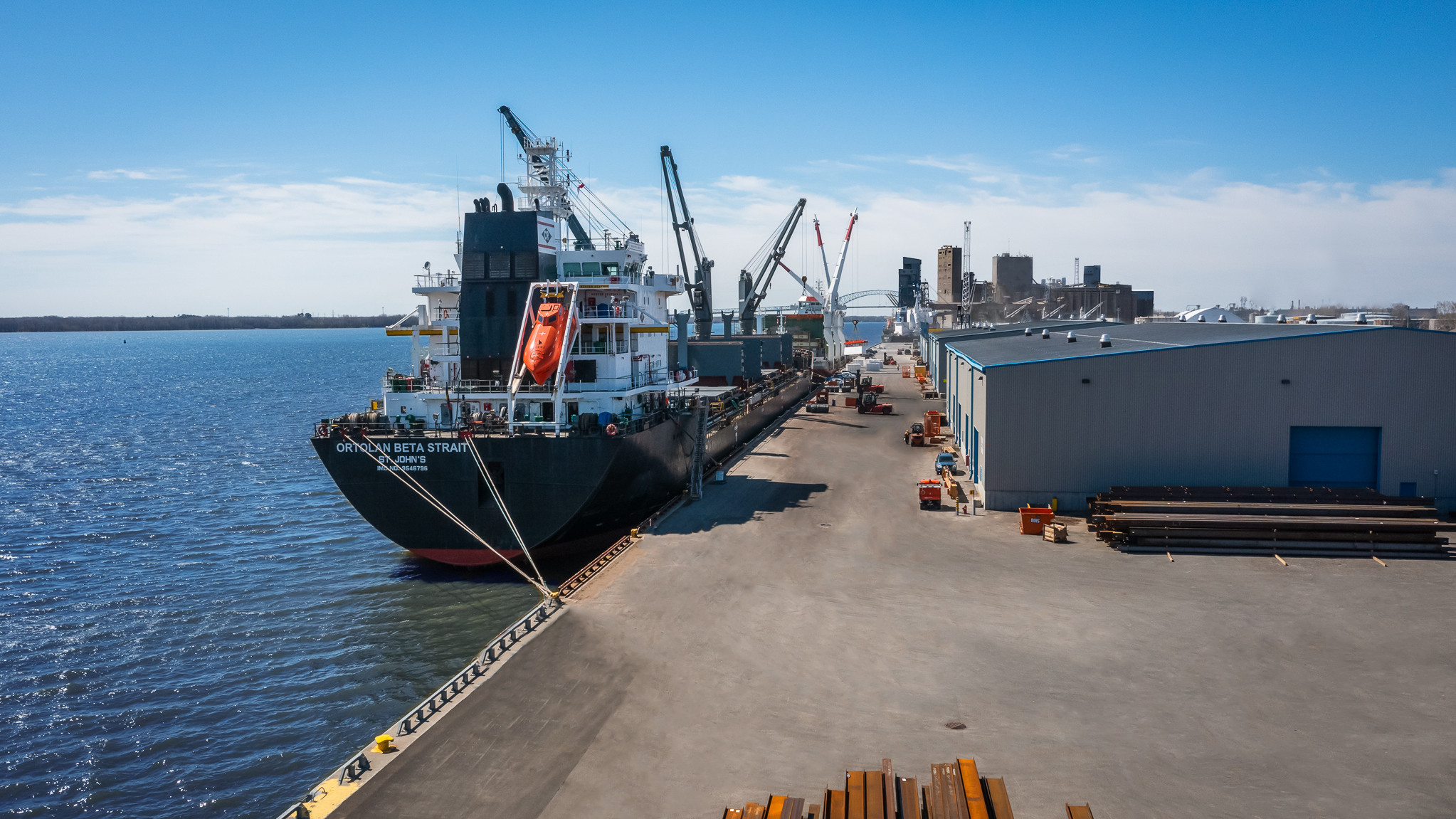
Features of the port

History

Old image 1

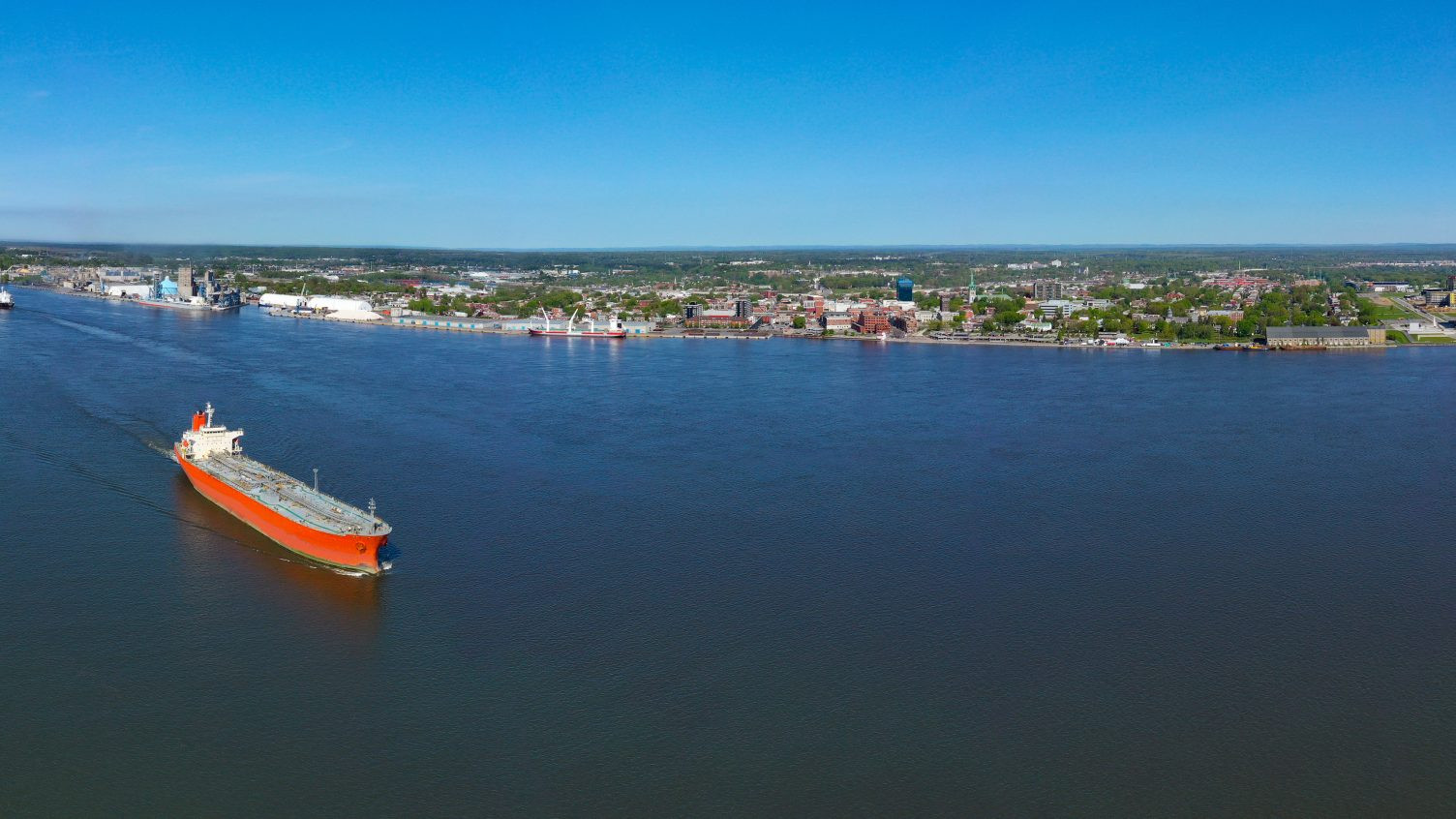
In 1535, when Europeans arrived at the site of Trois-Rivières, the area was a beach where natives spent the summer. Despite its advantages, Trois-Rivières remained a seasonal fur trading post until 1634, when the Sieur de Laviolette established a permanent fur trading post that attracted natives from the Saint-Maurice Valley and the Outaouais region. The post was destroyed during the Iroquois wars but was resurrected in the 18th and 19th centuries.

In 1730, iron and cast were manufactured at the Forges of Saint-Maurice added to the region's potential. Products were carried nine miles by boat, then distributed to Canadian markets.

Beginning in 1805, the port was under the jurisdiction of the Corporation de la Maison de la Trinité du Québec. Before 1815, Trois-Rivières still lacked port facilities, and the first steamboats travelling between Québec and Montréal anchored in the open sea near Trois-Rivières to stock wood for their boilers. Passengers and cargo were ferried in small boats.

In 1818, the first port facility, including a dock and a hangar, was built near the rue Saint-Antoine Street. After 1836, wood replaced fur in importance, as the depletion of American forests produced a demand for local timber and the development of major sawmills on the Caché River and in the Grès region. To allow for a log run to Trois-Rivières, the government poured large sums into the development of teh Saint-Maurice River.

The port also benefited from the opening of the back country. In 1858, the city dock was build, linking the north and south shores of the St. Lawrence. Between 1874 and 1879, 165 barges left the port with cargoes of wood. Of the 198 flagged ships, 165 were bound for Great Britain.

The Commission du Port de Trois-Rivières was created on May 17, 1882. It include a president, two federally-appointed commissioners, the mayor and the president of the Trois-Rivières Chamber of Commerce whose mandate was to oversee the administration of the port. Starting 1883, private docks were acquired and new ones were built.

Following a decline in the lumber market, paper mills were constructed in Grand-Mère in 1885 and Shawinigan in 1902.

The hydroelectric development of the Saint-Maurice promoted increasing industrialization in Trois-Rivières including the establishment of Wabasso Cotton (1902), the Canada Iron Foundry (1908), the Saint-Maurice Paper Mill (1910), International Paper (1920) and St. Lawrence Paper (1922).

By 1909, the Harbour Commission owned 1,185 metres of wharf. In 1935, this has increased to 2743.3 metres, to which new railway and hangars were added.

In 1936, a new grain elevator brought the grain industry to Trois-Rivières, making it a port of call. Grain cargo accounted for 80% of maritime traffic, and all other goods the remaining 20%. The National Harbours Board assumed both the management and further development of the port. Hangar area doubled and grain elevator capacity tripled (a second elevator was built in 1956 and a third in 1962). Greater storage area was needed for bulk cargo.

Between 1936 and 1948, the Port of Trois-Rivières ranked second among St. Lawrence ports in terms of volume of transhipped cargo and had carved out an enviable niche among Canadian ports. Over the last fifty years, the port has gradually diversified and adjusted to new markets.

In 1982, the National Harbours Board became the Canada Ports Corporation, and the new legislation gave Canadian ports more autonomy. The Port of Trois-Rivières received the status of divisional port, to be locally administered by an executive manager under the supervision of a national office.

In 1994, the Port of Trois-Rivières became the first North American port to become ISO 9002 registered.

On May 1st, 1999, following the dissolution of the Canada Ports Corporation, the Trois-Rivières Port Authority was created pursuant to the Canada Marine Act. A board of seven members was created, most of whom were appointed by the ministre des Transports, in consultation with port users. As a new Canadian Port Authority (CPA), the Port of Trois-Rivières disposes of the necessary tools to conduct its activities in a more commercial, efficient and timely manner. In addition, ti now enjoys the autonomy and latitude required to function according to function consistent with the principles of trade.

Old image 2
Administration


Canada